Thank you for your patience while we retrieve your images.
OUTSIDEIMAGES.COM
Home
Nautical Stock Images
Nautical Fine Art Prints
America's Cup Prints
All Stock Images
▼
All Stock Images
▼
Galleries
Across America Stock
America's Cup 2013
Shipping and Transport
NOOD Regattas 2014
J22 Worlds 2013
Louis Vuitton Cup 2013
America's Cup 30 years of
Volvo Ocean Race
Louis Vuitton Sailing
Sailing Events
Sail Boats
Super Yachts
Cruising Boats
Power Boats
Vintage IOR
Boat Works
Boat Tests
Travel
Commercial and Branding
UAE
Lisbon
New Zealand
Spain
Coastlines
Wall Art
Architecture
Photo Editors
Client login
Image Licences/Prints
▼
Image Licences/Prints
▼
Print Orders
Image Licences/Prints
Portfolios
Tear Sheets
Client Login Images
Travel Stock Images
Contact Us
Social Media
▼
Social Media
▼
Books
Facebook
Twitter
Linkedin
Blog
500px
Travel Blog
Live Imaging
Home
»
Nautical and Marine Stock Photography
»
Nautical images , Sailing Photography and Boating Stock Photo Galleries
»
Fishing and Boating
Visitors
3
« Previous
Next »
92
of
541
photos
140705_TODD_0450
July 5th 2014 - Black Beard Island, Savannah, Georgia, USA.
Enjoying the beach on a hot summer day.
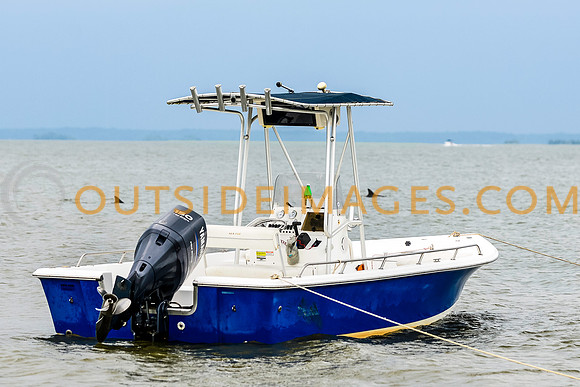
Dolphins play around the boat just off the inland water way.
The setting for generations of pirate lore and tales of buried treasure, coastal Georgia's Blackbeard Island has had a compelling history for at least 200 years, including a period when it was the largest federal marine quarantine station on the south Atlantic coast.
The 5,618-acre island, northeast of Sapelo Island in McIntosh County, was named for Edward Teach, best known as "Blackbeard," a pirate who
Sea oats grow along the coast of Blackbeard Island.
Sea Oats on Blackbeard Island
conducted raids on merchant shipping in the region in the early eighteenth century. It was called Blackbeard Island as early as 1760, when the island was delineated as such on a survey map compiled by William DeBrahm and Henry Yonge. The legend that Teach buried his pirate loot on the island has persisted over the years, although no treasure has ever been found. Teach and his cohorts almost certainly frequented the area around the island. Tidewater Georgia, with its labyrinthine creeks, inlets, and secluded marsh islands, provided ideal cover for their illegal operations. The Blackbeard Island National Wildlife Refuge is a 5,618 acre National Wildlife Refuge located in McIntosh county in Georgia. The refuge was established to provide a nature and forest preserve for esthetic and conservation purposes.
©Paul Todd/OUTSIDEIMAGES.COM
OUTSIDE IMAGES PHOTO AGENCY
Categories & Keywords
Category:
Subcategory:
Subcategory Detail:
Keywords:
Barrier Islands
,
stock library marine images
,
Black Beard Island
,
stock images of Dolphins
,
Nautical Fishing and Boating Stock Photo Galleries
,
Islands
,
coast
,
coastal
,
marine
©Paul Todd/OUTSIDEIMAGES.COM
140705_TODD_0450
July 5th 2014 - Black Beard Island, Savannah, Georgia, USA.
Enjoying the beach on a hot summer day.
Dolphins play around the boat just off the inland water way.
The setting for generations of pirate lore and tales of buried treasure, coastal Georgia's Blackbeard Island has had a compelling history for at least 200 years, including a period when it was the largest federal marine quarantine station on the south Atlantic coast.
The 5,618-acre island, northeast of Sapelo Island in McIntosh County, was named for Edward Teach, best known as "Blackbeard," a pirate who
Sea oats grow along the coast of Blackbeard Island.
Sea Oats on Blackbeard Island
conducted raids on merchant shipping in the region in the early eighteenth century. It was called Blackbeard Island as early as 1760, when the island was delineated as such on a survey map compiled by William DeBrahm and Henry Yonge. The legend that Teach buried his pirate loot on the island has persisted over the years, although no treasure has ever been found. Teach and his cohorts almost certainly frequented the area around the island. Tidewater Georgia, with its labyrinthine creeks, inlets, and secluded marsh islands, provided ideal cover for their illegal operations. The Blackbeard Island National Wildlife Refuge is a 5,618 acre National Wildlife Refuge located in McIntosh county in Georgia. The refuge was established to provide a nature and forest preserve for esthetic and conservation purposes.
©Paul Todd/OUTSIDEIMAGES.COM
OUTSIDE IMAGES PHOTO AGENCY